approximately 200 members of the Afghan Special Forces who were trained by the UK are now facing imminent deportation to Taliban controlled Afghanistan where they will likely face persecution and likely imprisonment or death.
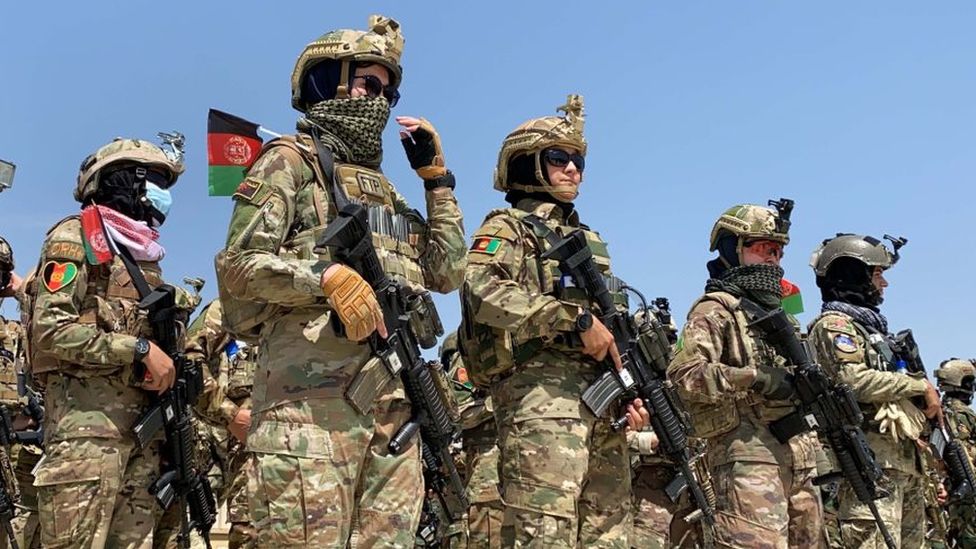
The information has been gathered by a network of Afghan veterans who fled to Pakistan, now face being returned to Afghanistan by the Pakistani Government.
In 2021, the then Prime Minister Boris Johnson told Parliament that the service of these Afghan special forces had been “incredibly important”, adding the UK would do “whatever we can” to get “safe passage” for them.
Former British General who served in the British Army in Afghanistan, Gen Sir Richard Barrons called the situation a “betrayal’ & a ‘disgrace”.
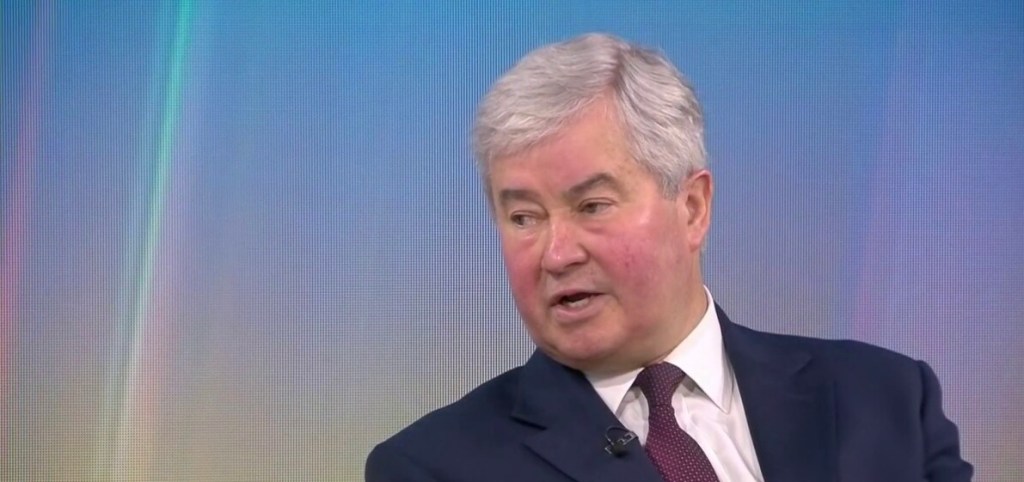
Barrons told BBC Newsnight that the failure to relocate these Afghan Special Forces soldiers “is a disgrace, because it reflects that either we’re duplicitous as a nation or incompetent”.
“Neither are acceptable,” he said. “It is a betrayal, and the cost of that betrayal will be people who served with us will die or spend their lives in prison.”
It was revealed that the government rejected calls from senior British Diplomatic & military officials to offer asylum to key Afghan civilian leaders and that the same could happen to the former Afghan Special Forces soldiers.The BBC obtained a private letter sent back in March 2022 to the Foreign Office, which called for urgent help to be given to a group of 32 former governors, prosecutors and officials who worked with the UK and US in Helmand Province during operations between 2006 and 2014.
These 32 civilian leaders had applied to come to the UK through the Afghan Relocation Programme (ARAP), intended for those employed by the UK government, or who “worked in Afghanistan alongside a UK government department, in partnership with or closely supporting it”.
The 200 Afghan soldiers also went through the same application, but many of the soldiers and civilian leaders who had all worked for the British & US were rejected, whilst others are still waiting for a decision over a year later.
One of the officials, a former district governor, told the BBC his application for help through the scheme was refused two weeks ago, more than 20 months after he first applied.
Sir Richard, one of the private letter’s signatories, said: “We made a special commitment to these people, and we have not honoured it with an efficient, effective or even compassionate system.”
“Ali”, one of the Afghan special forces soldiers facing expulsion from Pakistan, told the BBC he felt abandoned and betrayed by the UK.
Speaking from a one-room safe house, he said of his work with the UK military: “We were together day and night. During training we slept under one tent, eating from the same dish.
“During operations we fought shoulder-to-shoulder with the British, as members of one family.”
Ali was a member of an elite unit known as Commando Force 333, set up in 2003 by the UK to counter Afghanistan’s growing problems with opium production.
Along with its sister unit, Afghan Territorial Force 444, they became known as “the Triples”. They quickly gained a reputation for effectiveness, honesty and courage.
“The Triples were at the front end of the UK-supported counter-terrorism operation,” said Gen Sir Richard Barrons. “They did the most dangerous, the most difficult, the most important missions, accompanied by British soldiers.”
In August 2021 as the Afghan state collapsed, one of the few units that held firm was CF333. Along with his colleagues, Ali headed to the Baron Hotel in the capital Kabul to protect British passport holders as they escaped the country.
But he was unable to board an evacuation flight himself, and eventually made it to Pakistan by land. Ali assumed his nearly two decades fighting alongside the British would mean he would soon be offered help. He was wrong.
“We never thought that heroes would be abandoned. We took all those risks. We were ready to help the international community, we respected freedom of speech and human life, then everything turned upside down. It is really disappointing,” he said.
The estimated figures suggesting there are about 200 commandos like Ali facing deportation by the end of the year have been gathered through a secret network of former members of Afghan security forces and given to the BBC.
The Pakistani Government crackdown on undocumented Afghans, threatens to deport all who they catch. Ali said: “I can’t work. I live inside this one room with my wife and five kids due to fear of the police. I’ve sealed myself at home for three months now.”
It is impossible to know for certain, but the BBC were told by senior British diplomatic sources that these figures are the best estimates yet.
It is not just former members of Afghan special forces who say they have been left in the cold, but also Afghan civilians who helped the UK.
Lt Gen Abdul Hadi Khalid, the first commanding officer of CF333 who has been resettled in the US, told the BBC that the decision was “completely unjust”. He said his men had been directly paid by the British.
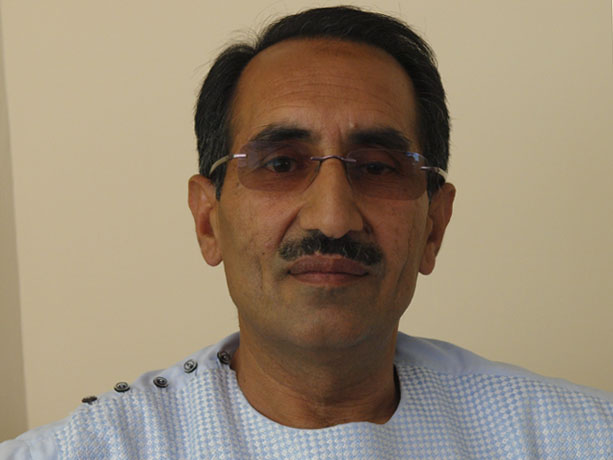
“All equipment, clothing, food, all expenditure, including the pay, everything came from the UK. The donor for this mission was the British government. It is crystal clear,” he said.
“I didn’t expect that from the British government… They promised a lot, but when they forget it, what can I call it? It is dishonesty.”
Lt Gen Khalid said the treatment of the Triples will be a black stain on the reputation of the West. “I’m 100% sure that when other nations, other progressive forces, see Afghanistan, when they look at Afghan people, Afghan miseries, how can they trust the West?”
The Ministry of Defence said the UK has made an “ambitions and generous commitment” to help eligible people in Afghanistan.
“So far, we have brought around 24,600 people to safety, including thousands of people eligible for our Afghan schemes,” a spokesman said.
“Each ARAP application is assessed individually and in accordance with published policy, and we do not automatically make a decision on eligibility based on a job role.”
Despite everything, Ali and Mr Fahim said they were proud of the work they have done with UK forces.
“I will not forget how we looked after one another in remote villages,” said Ali. He recalled how a commander in the UK and US forces had put his own blanket around Ali’s shoulders during the cold. “It is a sweet memory for me, but it makes what happened later so disappointing.”

 Military News Today
Leave a comment