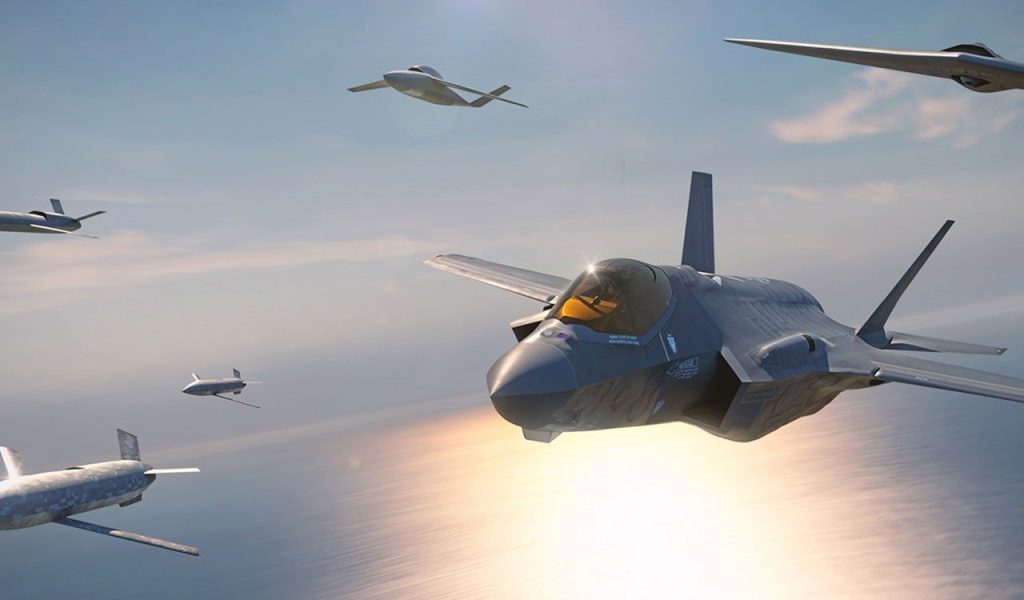
Lockheed Martin hits milestone as 1000th F-35 rolls off the production line.

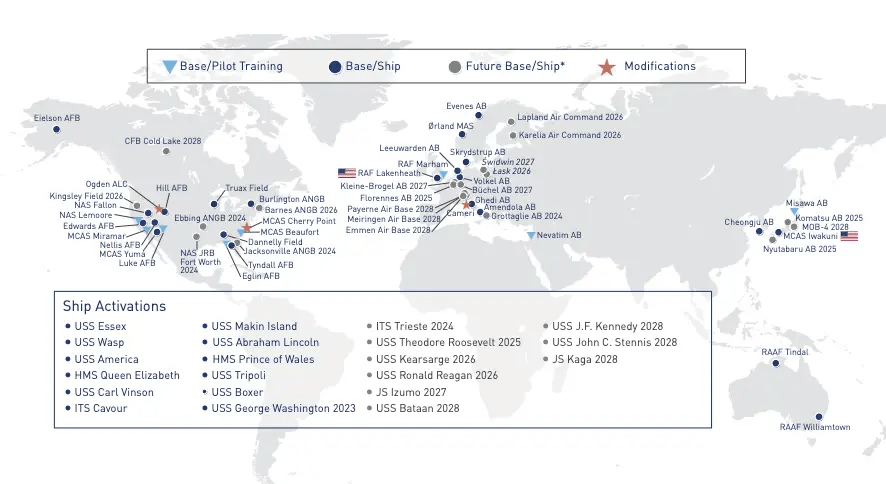
As of early January, the F-35 program has amassed over 773,000 flying hours, trained over 2,280 pilots and 15,400 maintainers across 14 flying services around the world, and flown more than 469,000 total sorties. There are now 32 bases and 11 ships hosting or capable of hosting F-35 units.
As of now, there are 17 countries participating in the international Joint Strike Fighter (JSF) program. The demand for the F-35 with recent geopolitical events such as Ukraine and the increasing tension between China and Taiwan to name just a couple has spiked orders. The Block 4 capabilities of the F-35 have far more capabilities than previous versions.
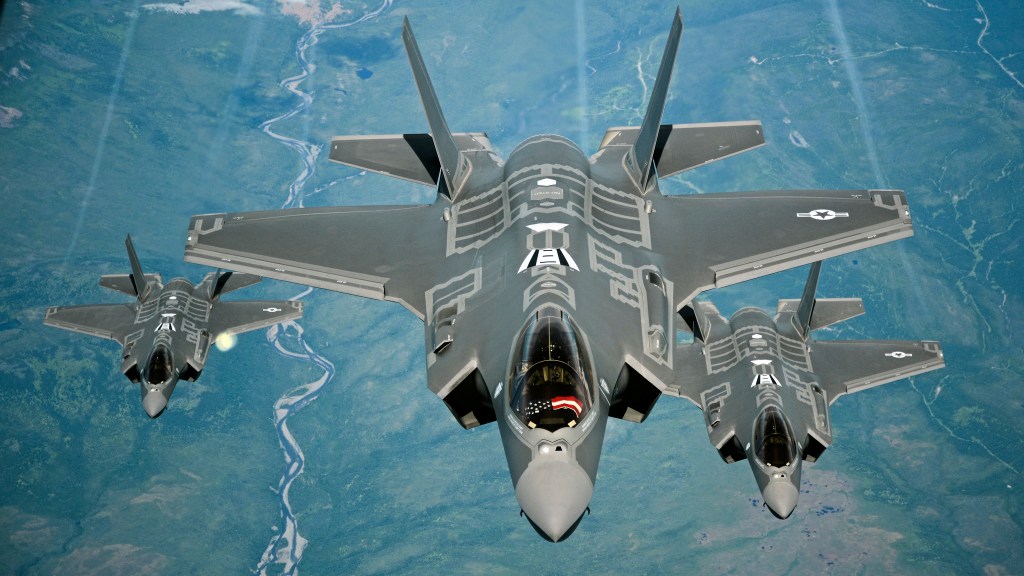
Block 4 will include many new features, including much-expanded processing power, new displays, enhanced cooling, new EOTS and DAS electro-optical sensors, and a slew of additional weapons that will really unlock the F-35’s potential. Above all else, the jet’s new radar and electronic warfare suite should give it its biggest boost. The electronic warfare aspect alone is the biggest advantage Block 4 will bring, according to the Air Combat Command’s top uniformed officer.
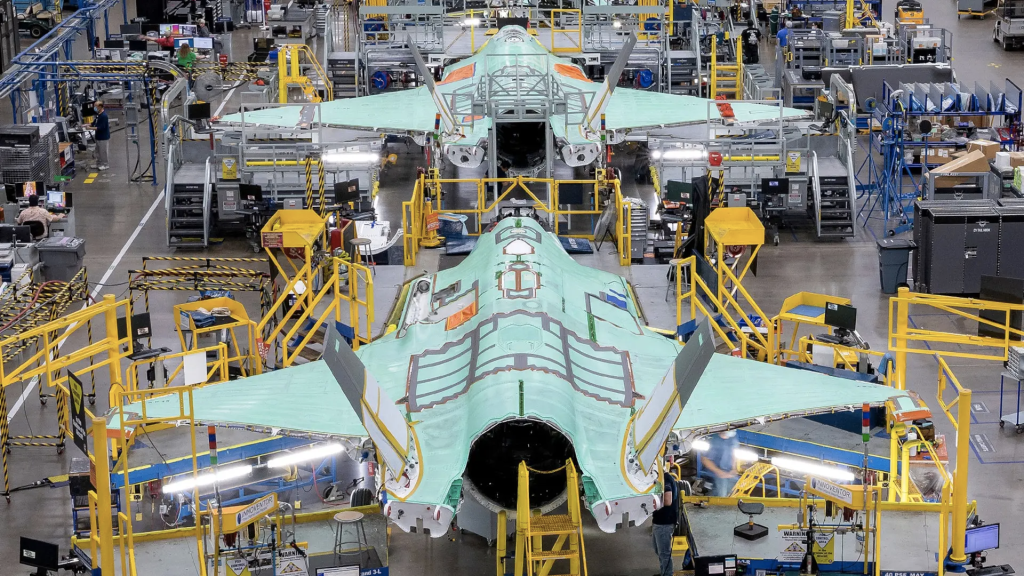
The accomplishment by Lockheed has been over shadowed however by a complicated ongoing saga surrounding the development and testing of the Tech Refresh-3 (TR-3) hardware configuration. TR-3 underpins the F-35’s future Block 4 capabilities, delays with the TR-3 mean that F-35’s are not being delivered after they have been constructed whilst waiting for these features. So for now the 1000th F-35 is sat waiting.
Lockheed Martin have said:
“We continue to produce F-35s at rate and have jets in various stages of the final production process. Once these jets receive the necessary TR-3 hardware and final TR-3 software is available, they will continue through the production process, including parking, until they are delivered.”
The 1000th F-35 is still a great accomplishment for the program that has struggled significantly at times. The current issue is that F-35s need a new hardware backbone and associated baseline software, collectively called TR-3, to handle the various demands of the Block 4 upgrades. TR-3 has and continues to suffer numerous delays in its development.
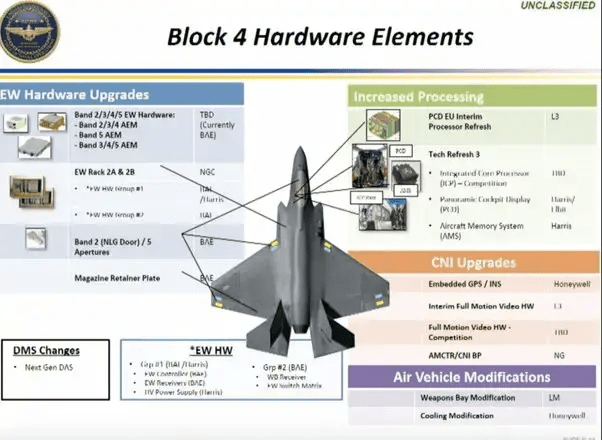
The increasing age of the F-35 program’s current fleet of test jets and other limitations in existing test infrastructure, especially with regard to software labs on the ground, have compounded these issues. The first flight of an F-35 test jet with a version of the TR-3 backbone took place in January 2023 and efforts are underway to create a dedicated TR-3 test force with a total of six Joint Strike Fighters.

As of December, the expectation is that the development of TR-3 will be finished sometime between April and June of this year, according to Defense News. If that schedule holds, this work be done between a year and 18 months later than expected.
The delays have also translated into significant added costs for the F-35 program. At a House Armed Services Committee hearing in December, Representative Donald Norcross, a Democrat from New Jersey, said that problems with TR-3 had led to a $1 billion cost overrun. The full estimated cost of the F-35 program though the end of its expected lifecycle in the 2070s is currently pegged around around $1.7trillion, according to the Government Accountability Office (GAO).

At the House Armed Services Committee hearing last month, Air Force Lt. Gen. Michael Schmidt, the current head of the F-35 Joint Program Office (JPO), seemed less than optimistic about the likelihood of there being no further TR-3 delays.
“Relative to the stability issues that were that we’re seeing, we are working through them. … I wish I had all of the solutions in place that prove to me that when I do something in the lab, it’s going to show up that way in the air,” Schmidt told the assembled legislators. ”We have a number of fixes addressing the stability challenges. We will get to a stable, capable, maintainable airplane here.”
However, “the data tells me it will be in the middle of spring, but I would have had a more positive answer six months ago … so I don’t have a super solid ‘I can guarantee you this date,’” he added.
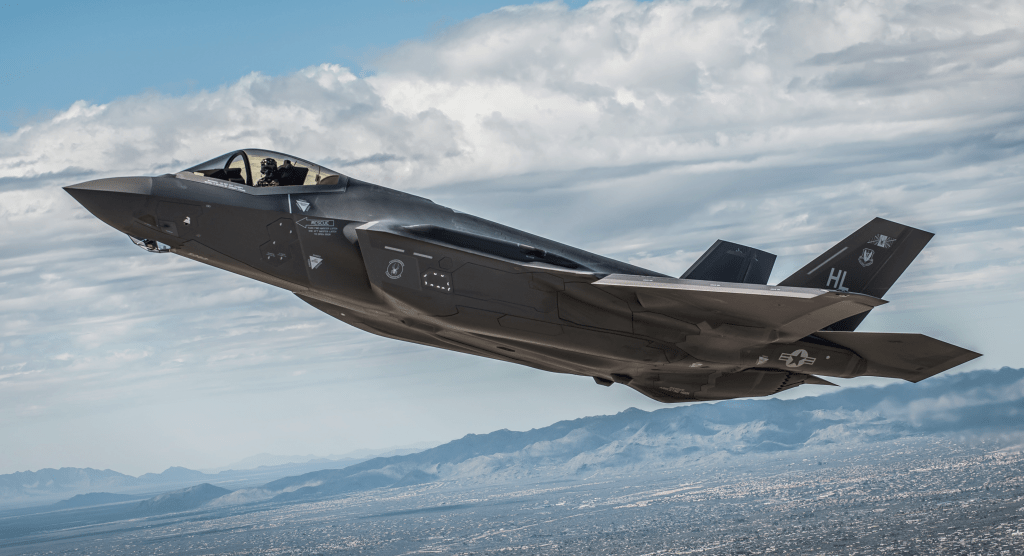
After the completion of the development of the TR-3 package, these improvements will still need to be integrated into existing jets. The F-35 program is separately pursuing upgrades to the Pratt & Whitney F135 engines that power all variants of the Joint Strike Fighter, as well as power and thermal management systems, which will also be critical for enabling Block 4 capabilities. The issues surrounding the F135 engine have become a very hot topic of debate.
In the meantime, the US military has made clear that it will not accept any new F-35s until the TR-3 issues are ironed out. This is ostensibly because the necessary checkout flights cannot be conducted on the jets until the hardware and its core software work reliably.

So, for at least another few months, the 1,000th F-35, and many others, are set to stay parked away waiting for work on the core TR-3 upgrades to be finished.



 Military News Today
Leave a comment