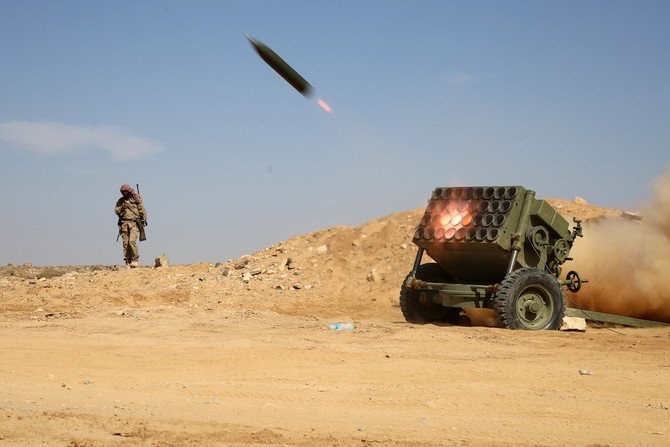
With PM Sunak calling cabinet meeting thought to be about UK-US strikes against Houthi fighters we take a look at who the Houthis are and why they are attacking ships in the Red Sea.
The Houthis are an Iranian backed group, formed in the 1990s and oppose US & Israeli influence in the Middle East. The terror group who are heavily armed by Iran have vowed to target commercial vessels it believes are heading to and from Israel, but in reality they are attacking commercial vessel indiscriminately.
Commercial vessels have been attacked by Yemen’s Houthi fighters has caused fears of a wider conflict in the region in a response increased by the war going on in Gazza.
Yesterday, 10th January, British warship HMS Diamond, along with the US Navy shot down seven drones launched by Houthis in the Red Sea.
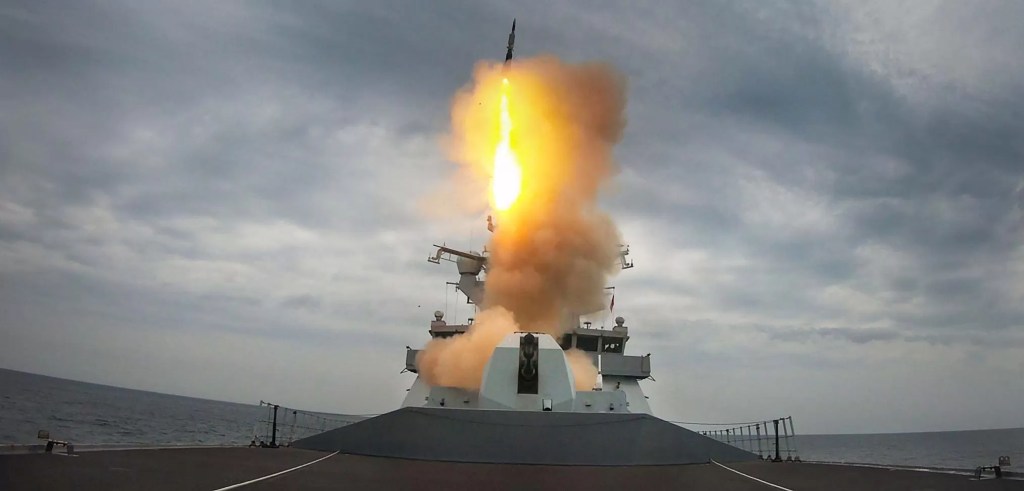
This was the 26th attack on commercial shipping in the Red Sea since 19th November according to the US.
Who are the Houthis?
Officially known as ‘Supporters of God’ or ‘Ansar Allah’, The Houthis are a Shia Islamic terror group based in western Yemen. The group backed by the Iranians which formed in the 90s, started as a movement to promote the Zaidi Shias and Houthi tribe.
It opposes the US & Israeli influence in the region.
“Death to America” “Death to Israel” is the groups slogan, along with “Curse Upon the Jews”.
As well as being supported by Iran, the Houthis are also backed by other Islamist groups including Hamas & Hezbollah and has also accused Saudi Arabia of “Colluding” with the US.

The death of the groups founder Hussein al Houthi by the Yemani military sparked the Houthi insurgency civil war in 2004. And now led by Hussein’s brother Abdul-Malik al Houthi the group took part in the 2011 Yemeni revolution, gaining further territory.
Since then, it has furthered its area of influence and it now controls much of Yemen’s western seaboard down to the Bab al Mandeb Strait – the 16-mile stretch of water that marks the entrance to the Red Sea, from where it is able to strike at the commercial shipping in the Red Sea.
Why are they attacking ships in the Red Sea?
The Houthis claim the attacks are aimed at ending the air and ground offensive on the Gaza Strip following the 7th October attacks by Hamas.
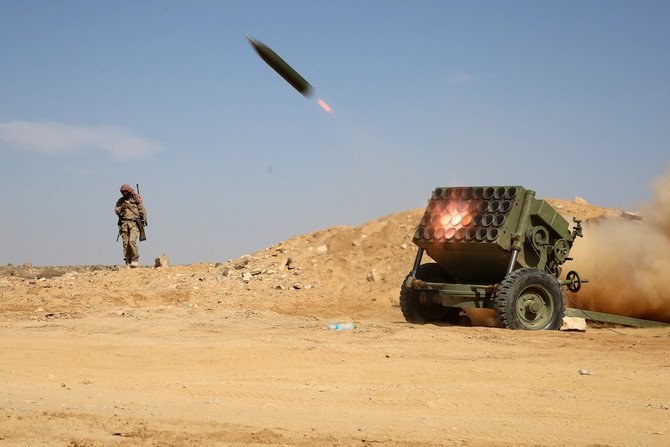
Several ships have been attacked with drones, rockets and in some cases helicopters have been used to drop militants on to commercial vessels.
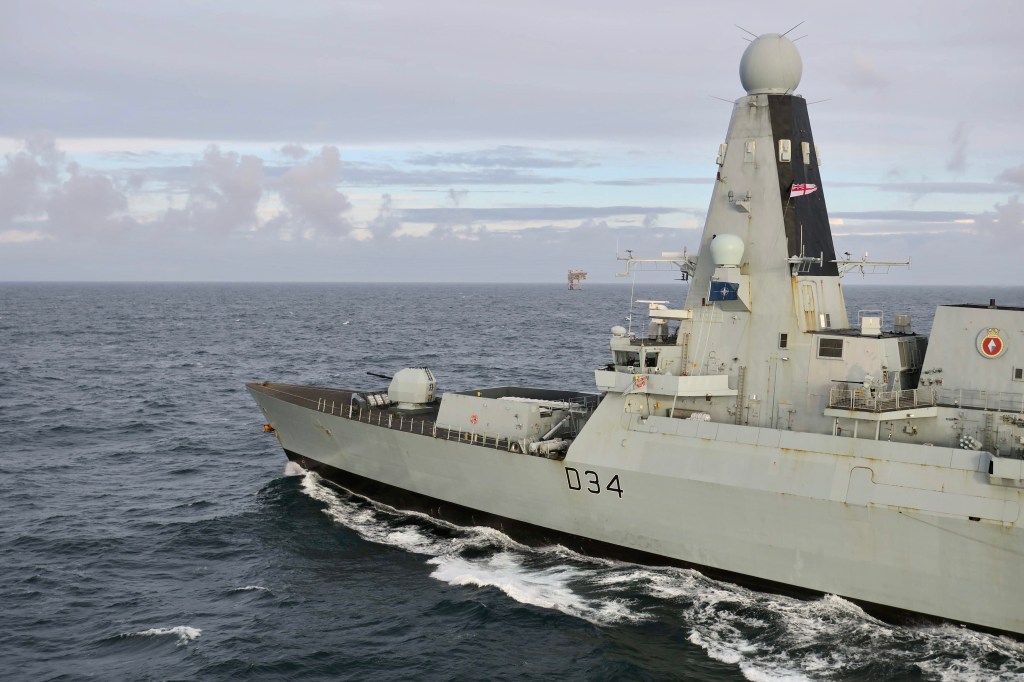
In the first week of January, 18 one-way attack drones along with two anti-ship cruise missiles and one anti-ship ballistic missile were fired towards the British warship HMS Diamond and other commercial vessels.
It was dubbed by Defence Secretary Grant Shapps, as the “largest attack from the Iranian-backed Houthis in the Red Sea to date”.

A Houthi spokesperson claimed responsibility for the major missile and drone strike, claiming they had targeted a US warship that had been operating in support of Israel.
Brigadier General Yahya Saree signalled the militants were not going to stop their mission, saying it would continue “until the aggression stops and the siege on our steadfast brothers in the Gaza Strip ends”.
The group also claimed responsibility for launching an attack on two ships – the Norwegian-owned Swan Atlantic and the Panama-flagged MSC Clara – using drones.
In November, militants from the group captured the cargo vessel, the Galaxy Leader.
A joint statement by the UK, US and 10 other states on 3 January said 20 countries have made “clear that if these attacks continue as they did yesterday, there will be consequences”.
How will disruption in the Red Sea impact me?
Concerns are growing about the global economic impact of the disruption to shipping through the vital Red Sea, with vessels choosing to divert, pushing up the cost of trade and causing inflation to rise.
Around 12% of total global shipping traffic goes through the Suez Canal, which is the shortest route between Europe and Asia.
Primarily ships are carrying oil and liquefied natural gas from the Gulf, and consumer goods and electrical’s from China, Taiwan and Bangladesh.
The route is also key to food and drink supply chains, with tea and coffee being transported from east Africa, wine from Australia and New Zealand, processed frozen meat from Thailand, and rice from Cambodia.
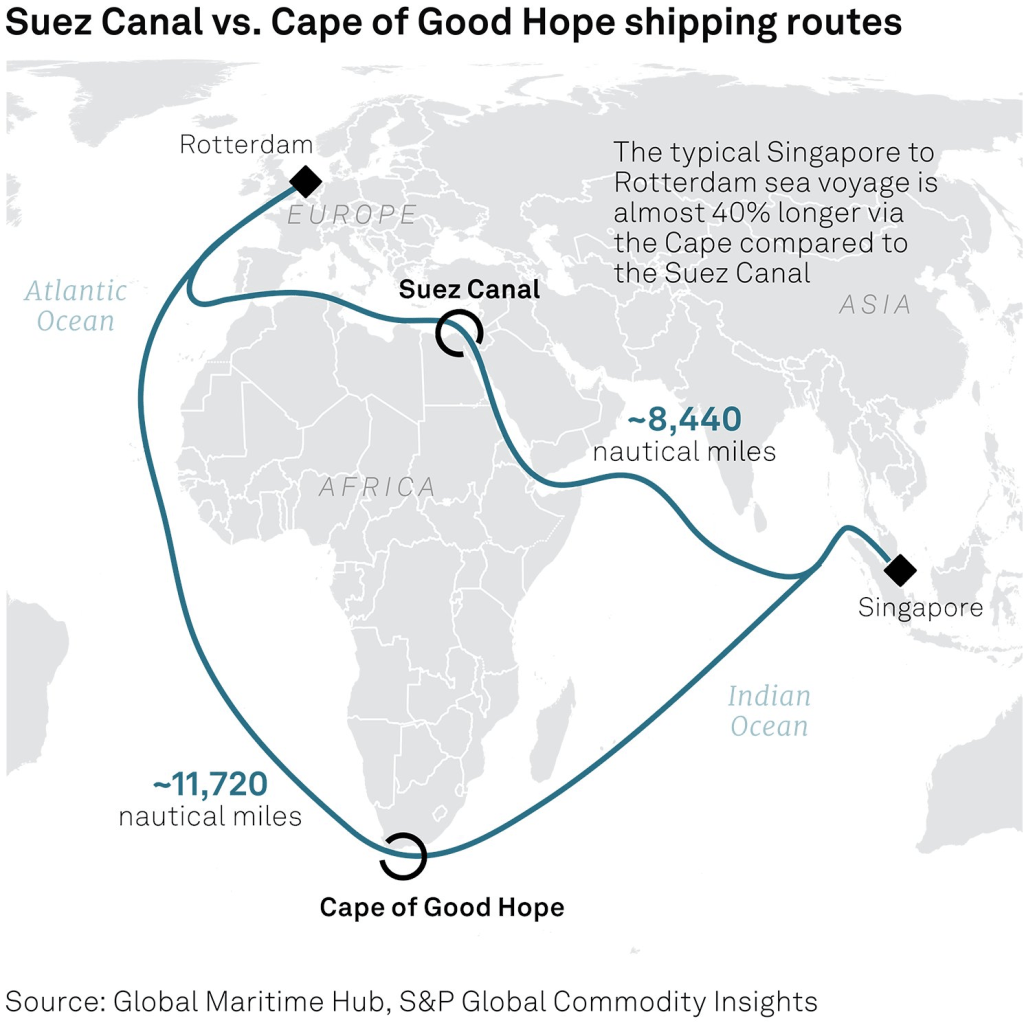
Marco Forgione, director general at the Institute of Export and International Trade, told Sky News in December that oil prices had already gone up.
He warned that ships delayed in the wrong place and causing congestion at ports had a knock-on effect in terms of price rises – meanwhile, product shortages will be felt in January, February and possibly beyond.
“Unfortunately there’s a significant risk of inflation increasing and costs going up for consumers – with things just escalating and getting worse,” he said.



 Military News Today
Leave a comment